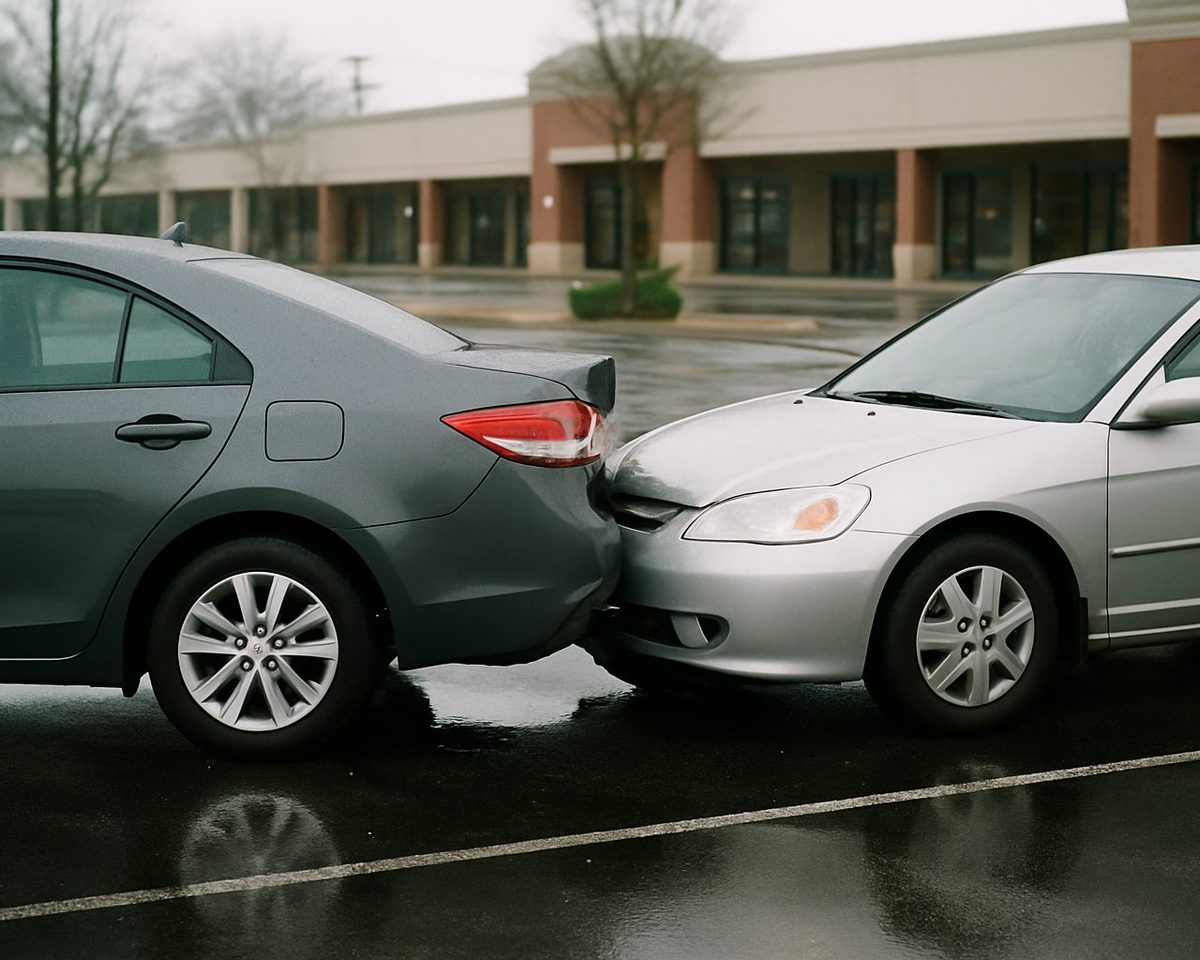
Key takeaways
- Crash injuries to muscle and ligament surface on a delay of one to three days. Feeling fine at the scene is normal and means little.
- The response is small: one call, one exam, one written plan. Then follow the plan.
- If your head hit anything, or you have felt foggy, dizzy, or light sensitive since, that is its own headline. Worsening head symptoms go to an ER first.
- A documented exam this week protects your health and your options. The same exam in two months describes a tangle.
- Missouri Injury Clinic publishes an auto-injury lane and three offices. Call the closest one and say car crash.
Some publications rotate their advice. Ours barely changes, because the situation barely changes: a crash, a quiet day or two, then a neck or back with opinions. Here is the standing column, with the hour-by-hour version we do not usually have office for.
The pattern, once more, with feeling
Crash injuries to muscle and ligament swell on a delay. That is why you felt passable on Tuesday and rusted shut on Thursday. Nobody misjudged anything; the injury simply had not filed yet. The body is very good at getting you through the afternoon of a bad event. It is much less interested in how you feel at breakfast two days later.
The response does not require heroics. One phone call, one exam, one written plan. Then follow the plan. That is the entire program, and the reason it fits on one line is that most of the work is showing up.
The first week, hour by hour
The scene
You trade information, you take photos of the bumper, you say "I'm fine" because the other driver asked and it was the polite answer. Adrenaline is doing its job, which is to get you home. If anything on the short list below is happening, the polite answer is wrong and the right answer is an ambulance.
Chest pain, a sudden severe headache, weakness or numbness on one side, trouble speaking, a loss of bowel or bladder control, or a head injury with vomiting or worsening confusion is an emergency room trip right now, not a call to a clinic.
The first night
Sleep is strange. You lie down and the neck, which has been fine all day, announces that it is not fine. This is usually the first sign that soft tissue was stretched further than it liked. Write down the time of the crash and anything you noticed. You will be asked, and memory is a poor filing system.
Days one to three
This is the window the desk writes about every week. Stiffness, a headache at the base of the skull, pain turning the head to check a blind spot, an ache between the shoulder blades, a low back that does not want to bend for shoes. The National Institute of Neurological Disorders and Stroke describes whiplash as an injury from the rapid back-and-forth motion of the neck and notes that symptoms can take hours or days to appear. (Source: NINDS, Whiplash.) That lag is the whole story of this page.
This is also the window to make the call. Not because something terrible is about to happen, but because an exam now describes one thing: a fresh injury. The explainer on the lag goes into why.
Days four to seven
Some people improve. Some plateau. Some find that the headache has become a daily visitor and that turning around in the driver's seat has turned into a three-point maneuver. If you got examined, there is a plan for this week and a dated entry describing what you started with. If you did not, now is still a good time. Later is still a real exam, and being honest about the timeline is part of the record.
Week two and after
Injury, compensation, and habit start to braid together. You are holding your head a little differently to avoid the sore spot, and the muscles that took the job are now sore too. This is treatable. It is simply harder to describe on paper, which is why this desk keeps pushing the calendar forward rather than back.
Heads are not fine print
If your head hit something, or you have felt foggy, dizzy, nauseated, or light sensitive since the crash, treat that as its own headline, not a footnote to the neck. You do not have to have been knocked out. The CDC's HEADS UP materials are clear that most concussions happen without a loss of consciousness. (Source: CDC HEADS UP.)
Worsening head symptoms go to an ER first. After acute care, Missouri Injury Clinic runs concussion rehab with tools it lists publicly: vagus nerve stimulation, neurofeedback, Alpha Stim, sensory motor integration, exercise with oxygen, oculomotor rehabilitation, and cognitive rehabilitation software. Mention the head on the phone. Clinics can only examine what they know to ask about. The concussion piece covers the rest.
The deadline argument
Every editor respects a deadline, and crash care has a real one, even if it is soft. An exam this week describes a fresh injury clearly. The same exam in two months describes a tangle of injury, compensation, and time. File early.
There is a second audience for that exam, and this desk will be exact about it. If a claim is ever part of your story, the dated record from the first exam is what everyone will ask for. That is not a reason to get examined; your neck is the reason. But it is a reason not to wait until the paperwork forces the question. The record page lays out what that document is and is not.
We do not tell you what to do about a claim, we do not put numbers on anything, and the clinic treats patients rather than managing legal matters. You do not need to have decided anything about a claim before you get examined. If you already have an attorney, bring their contact so records can be sent where they need to go. That is the whole extent of our advice on the subject.
The call
Missouri Injury Clinic publishes an auto-injury lane and three offices. Call the closest, say car crash, give the date, take the earliest opening. South County on Tesson Ferry is this desk's default office: (314) 530-5480, Monday through Thursday 9 to 6, Friday 9 to 12, closed 12 to 2. Hazelwood is (314) 627-1411 on the same hours. O'Fallon is (636) 280-0990, Monday, Tuesday, and Thursday 9 to 6, Wednesday and Friday by appointment. All three offices are listed here.
This column is educational and is not medical advice. It is also, as the footer says, advertising. Both things are true, and the advice does not change because of the second one.
Service desk
Get examined this week, while the injury is still describing itself clearly.
Call, say car crash, give the date, take the earliest opening. The exam and the written plan are the same visit.